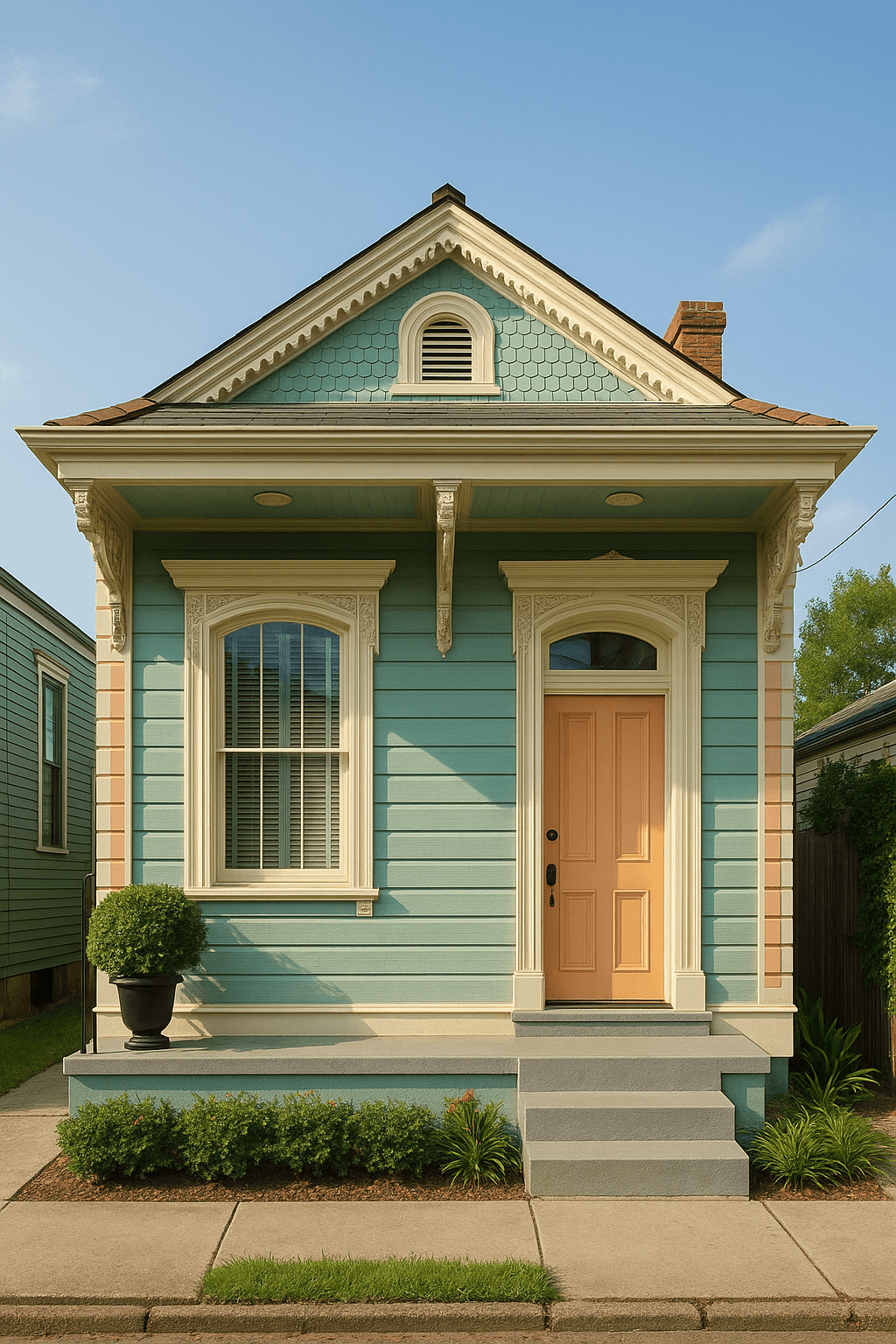
Home appraisals play a pivotal role in nearly every financed real estate transaction. Yet for many clients, the appraisal step is the least understood. Whether you’re purchasing or selling a property in the Southeast Louisiana—including Orleans, Jefferson, St. Bernard, St. Tammany, and nearby parishes—understanding how appraisers determine value removes uncertainty and helps you make informed, confident decisions.
This overview explains the appraisal process, what influences value most, and how to navigate the outcome effectively.
What Appraisers Look For
Appraisers are trained to provide an objective, data-driven opinion of a property’s market value. The process is standardized, regulated, and designed to protect all parties in the transaction. Currently, to maintain an unbiased approach, appraiser assignment is a blind process conducted by the buyer’s mortgage lender.
Appraisers focus on several core elements:
Property Characteristics
Square footage verified through professional measurement or reliable records
Number of bedrooms and bathrooms and whether rooms meet legal definitions
General layout and flow of the home
Age of the structure and overall construction quality
These features help appraisers determine how your home compares to others recently sold. A functional floor plan and appropriate bedroom count for the square footage typically support higher valuations. Older homes are not penalized simply for age—especially in a market rich with historic properties—but their condition and updates play larger roles in valuation.
Condition of the Home
Condition heavily influences market value. Appraisers document visible issues and note high-quality improvements, always weighing them against what buyers in the area are demonstrably paying for.
They evaluate:
Roof age, condition, and remaining useful life
HVAC systems, including modern efficiency levels
Electrical and plumbing updates or deficiencies
Structural elements, including foundation and framing
Evidence of deferred maintenance, such as leaks or rot
In Southeast Louisiana, where climate, humidity, and storm exposure affect home longevity, well-maintained systems and updated infrastructure often differentiate properties in the eyes of both buyers and appraisers. Regular maintenance records and receipts can be helpful when presenting the home’s condition.
How Comparable Sales Influence Value
Comparable sales—known as “comps”—form the backbone of most residential appraisal reports. They represent what the current market has recently proven buyers are willing to pay.
Appraisers rely on comps that meet the following criteria:
Sold within the last 3–6 months, or earlier if necessary in slower markets
Highly similar in size, age, style, and condition
Located within a reasonable radius or within the same competitive market area
Adjusted for measurable differences such as square footage, updates, lot size, or amenities
In the Greater New Orleans region, diverse architectural styles and varying neighborhood characteristics can make comp selection nuanced. Appraisers must often work with older housing stock, a mix of historic and newer construction, and unique elevation or flood-mitigation features. As a result, adjustments must be thoughtful, consistent, and supported by the data—not arbitrary.
How Condition, Updates, and Market Momentum Factor In
Updates and renovations can significantly influence value, but only when they align with what buyers in the area are willing to pay more for. Appraisers must determine whether improvements realistically increase market appeal or simply reflect personal preference.
Updates that typically impact value include:
Roof replacements and structural repairs
Modernized HVAC, electrical, and plumbing systems
Renovated kitchens and bathrooms with quality finishes
Energy-efficient upgrades such as windows and insulation
Flood mitigation investments that reduce long-term risk
Professional-grade exterior improvements and enhanced curb appeal
Not all renovations are equal. For example, a luxury kitchen remodel may add substantial value in areas where buyers expect upgraded finishes, while modest upgrades may yield better ROI in markets focused on affordability. In rapidly appreciating markets, appraisers also analyze whether values are trending upward and may adjust older comparable sales to reflect the trajectory of current demand.
What Buyers and Sellers Can Realistically Expect
Understanding the appraisal’s purpose helps reduce uncertainty and keeps the transaction on track.
Buyers should expect:
The lender will base loan approvals on the lower of the appraised value or contract price
A low appraisal may provide an opportunity to renegotiate or protect against overpaying
The appraisal is designed to ensure that collateral (the home) supports the loan
Sellers should expect:
A competitively priced listing, supported by local sales data, is more likely to appraise at or above contract value
Thorough preparation—including repairs, documentation of upgrades, and strong presentation—improves outcomes
Market shifts, even subtle ones, can affect appraised value even when the property is priced strategically
Because appraisers must focus exclusively on market-supported evidence, neither party should interpret the appraisal as personal or subjective. It is a professional safeguard ensuring financial soundness for all parties, particularly in dynamic real estate environments.
Steps to Take If an Appraisal Comes In Low
A low appraisal does not automatically derail a transaction. Several solutions can help buyers and sellers continue forward while maintaining financial fairness.
Common options include:
Requesting a Reconsideration of Value (ROV)
Provide recent comparable sales that the appraiser may not have reviewed
Correct factual errors in the report (square footage discrepancies, missing features, inaccurate condition notes)
Provide documentation for upgrades not visible or recognized during inspection
Renegotiating the Purchase Price
Both parties may agree to adjust the contract price to reflect the appraised value
Splitting the Difference
A mutually beneficial compromise that requires shared flexibility
Buyer Covering the Appraisal Gap
Buyers may choose to pay the difference in cash when the property is particularly desirable
This strategy is often seen in competitive markets with limited inventory
Changing Lenders
Some lenders use different appraisal management companies with separate appraiser panels
A second appraisal may result in a different valuation
Successful navigation of a low appraisal often comes down to collaboration, documentation, and realistic expectations. When handled promptly and professionally, many transactions move forward without significant delay.
Conclusion
Appraisals are a central component of real estate transactions across Southeast Louisiana. By understanding how value is determined—through comparable sales, objective evaluation, market conditions, and documented property characteristics—buyers and sellers can navigate the process with clarity and confidence.
A knowledgeable real estate professional can help interpret appraisal findings, identify next steps, and create a smooth path toward closing, even when challenges arise.